Insights
Backing Founders Rebuilding the Physical Economy
Jun 1
Today, we’re announcing Gigascale Capital Fund I, a $250 million fund to back founders rebuilding the physical economy for climate impact. We believe climate progress will come from better-performing systems: technologies that are cheaper to deploy, faster to scale, more reliable, more productive, and cleaner than what it replaces.
Over the last three years, we’ve invested in more than 25 companies, taking technical bets on clean American rare-earth supply chains, nuclear microreactors to replace diesel generators, software-enabled power electronics, commercial fusion, clean baseload power, and much more.
The world has only moved closer to this thesis.
Climate Impact Happens in the Physical Economy
The energy system, factories, supply chains, and infrastructure that produce, move, store, and use the world’s energy and materials — the physical economy — are where most emissions come from and where most climate solutions have to be built.
The energy system isn’t one sector among many. It’s the foundation. Cheap, clean energy is the enabling layer for nearly every other climate solution: electric transportation, clean industrial processes, efficient heating and cooling, advanced manufacturing, and more.
Solar went from 40 gigawatts a year to 600 in a decade because it got cheaper, not because it got more virtuous.
Mike Schroepfer, Gigascale Capital
Speed to Power Is the Defining Demand
The energy system is under pressure, supply chains are being rebuilt around cost, resilience, and security, and extreme weather keeps exposing infrastructure designed for a different era.
AI is a major part of this story: creating pressure on the energy system and making what already needed to be fixed impossible to ignore, faster than climate advocacy alone ever could.
But AI isn’t only a source of demand. Compute is also becoming a design, engineering, and operations tool for physical systems, compressing development cycles and helping the next generation of physical infrastructure get built and deployed faster.
Together, these pressures are creating urgency, demand, and opportunity for new technology.
Better Performance Drives Change
Solar scaled because costs fell. Batteries followed. That pattern is now beginning across energy storage, industrial processes, grid hardware, advanced materials, and manufacturing: sectors that have gone decades without serious upgrades. We built Gigascale to close this gap.
“I’ve spent my career building technology that removes constraints,” said Mike Schroepfer, Founding Partner of Gigascale Capital. “The pattern is always the same: cost curves bend, markets scale, and a better alternative makes the old way obsolete. Solar went from 40 gigawatts a year to 600 in a decade because it got cheaper, not because it got more virtuous. The companies we back win because they’re cheaper, faster, and more reliable. That’s how adoption scales. Climate impact is the result of better-performing systems.”
From Prototype to Infrastructure
The distance from working prototype to deployed infrastructure is where most deep tech companies stall. Our team has navigated that path.
“Very few people have successfully scaled cutting-edge technology and delivered it to the world. Even fewer can go deep on the novel physics, the operational work, and the people at the same time,” said Bob Mumgaard, CEO and co-founder of Commonwealth Fusion Systems. “Mike Schroepfer and his team do all of it, and their expertise shines through.”
“The big opportunities of the next decade are not in either hardware or software. They’re at the integration of both, at once,” said Jagdeep Singh, Co-founder and CEO of Rhoda AI. “We need teams fluent in physics, manufacturing, artificial intelligence, and deployment, as well as investors who can partner through all of it.”
The portfolio reflects that bet. Drew Baglino spent nearly two decades building power electronics for Tesla. Now he’s building them for the grid at Heron Power.
In less than two years from founding, Solcoa produced its first rare-earth materials without the environmental toll of conventional production. Radiant is working toward commercial deployment of nuclear microreactors. Xcimer Energy achieved first light on its fusion laser system.
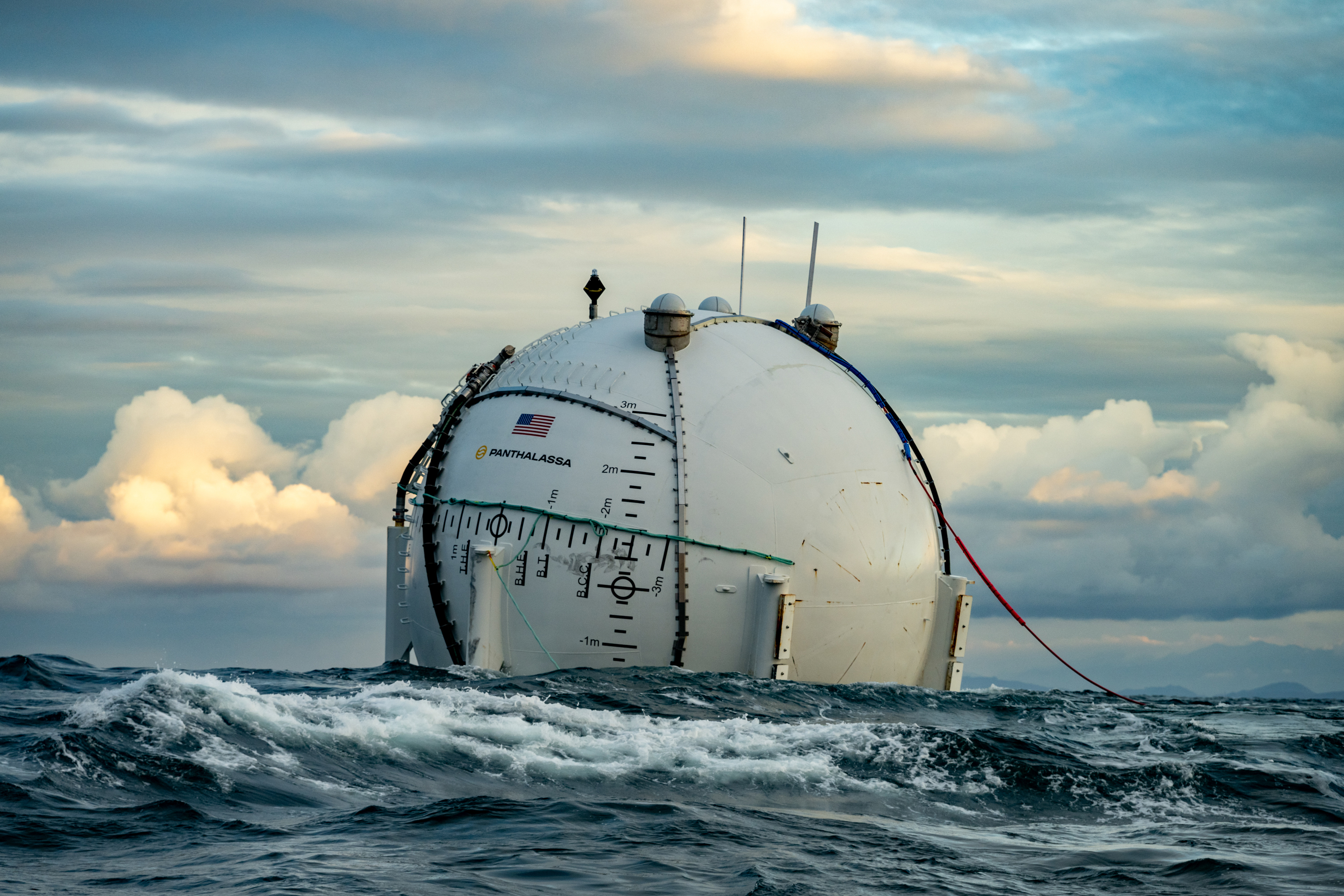
Arbor Energy signed for up to 5 GW of zero-emission baseload power for U.S. data centers. Panthalassa closed a $140 million Series B to deploy autonomous ocean nodes that generate wave energy and run AI inference at sea.
Fractile announced a $220 million Series B for next-generation inference hardware designed to enable AI to scale without a proportional increase in energy and cooling demand. Dioxycle signed a multi-year offtake partnership with L’Oréal to turn captured carbon emissions into ethylene, the building block of plastic packaging. Mill is deploying food recyclers into commercial kitchens and across Whole Foods nationwide, with local government pilots underway.
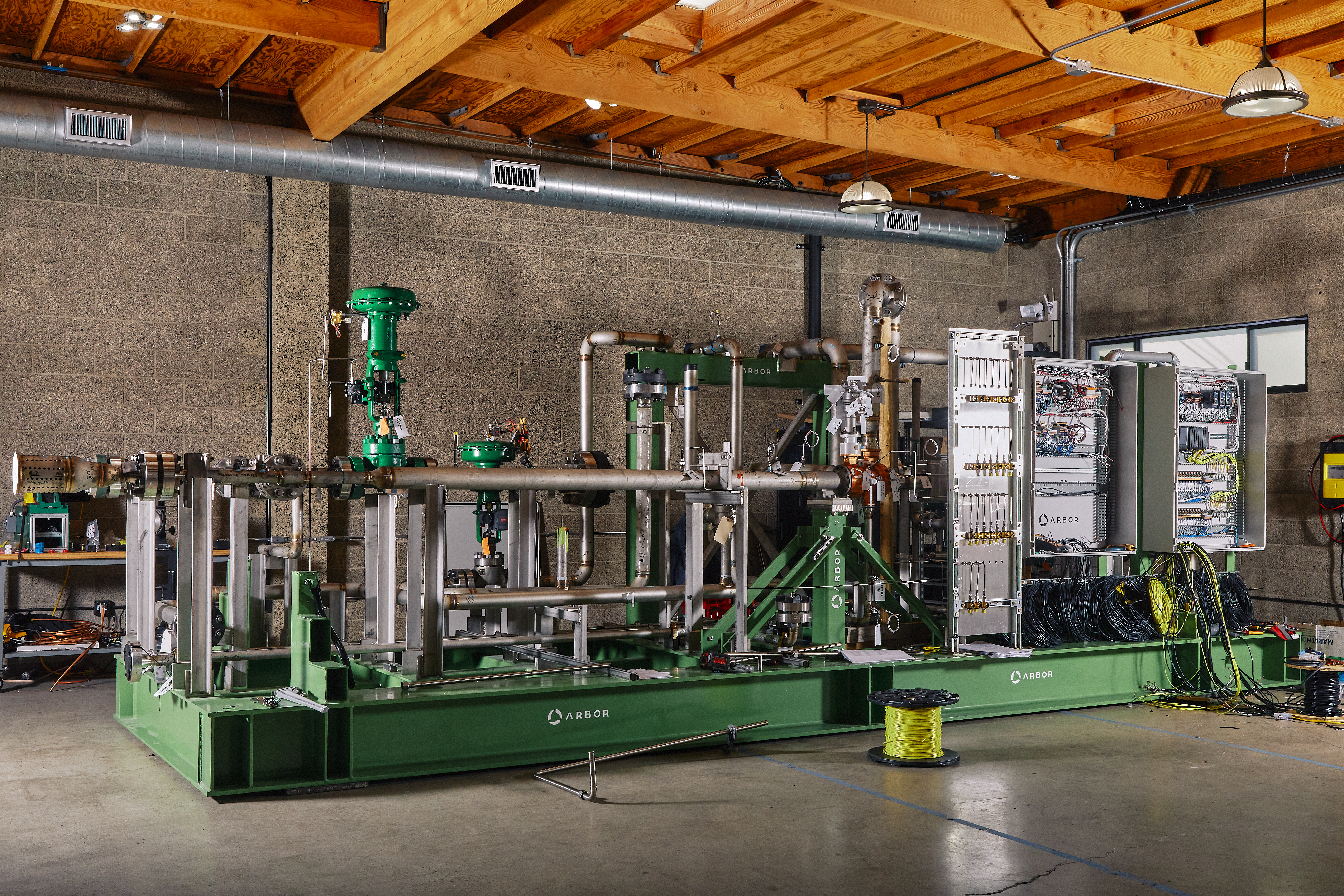
These are different parts of the same shift: physical technology moving from possibility toward market pull, with climate impact following from better performance.
What’s different now isn’t narrative. Companies today are winning on performance, not promise.
Victoria Beasley, Gigascale Capital
“I’ve spent over a decade in clean energy, through the solar buildout, the hard years, and the hype cycles,” said Victoria Beasley, General Partner at Gigascale Capital. “What’s different now isn’t narrative. Cost curves have moved, founders can build and deploy faster than ever, and companies being built today are winning on performance, not promise.”
Progress Is Built
Fund I is Gigascale’s first institutional raise focused on early-stage companies, and it came together quickly. We take that as a signal and a starting point. We plan to keep growing and support founders from first check through scaled deployment.
The physical world is being rebuilt. The companies that perform better than what they replace will define the foundations the world relies on for generations to come.
Progress is built. Gigascale backs the people doing it.
For founders building in the physical economy, read Mike Schroepfer’s companion post Choosing an Investor Is a Technical Decision.